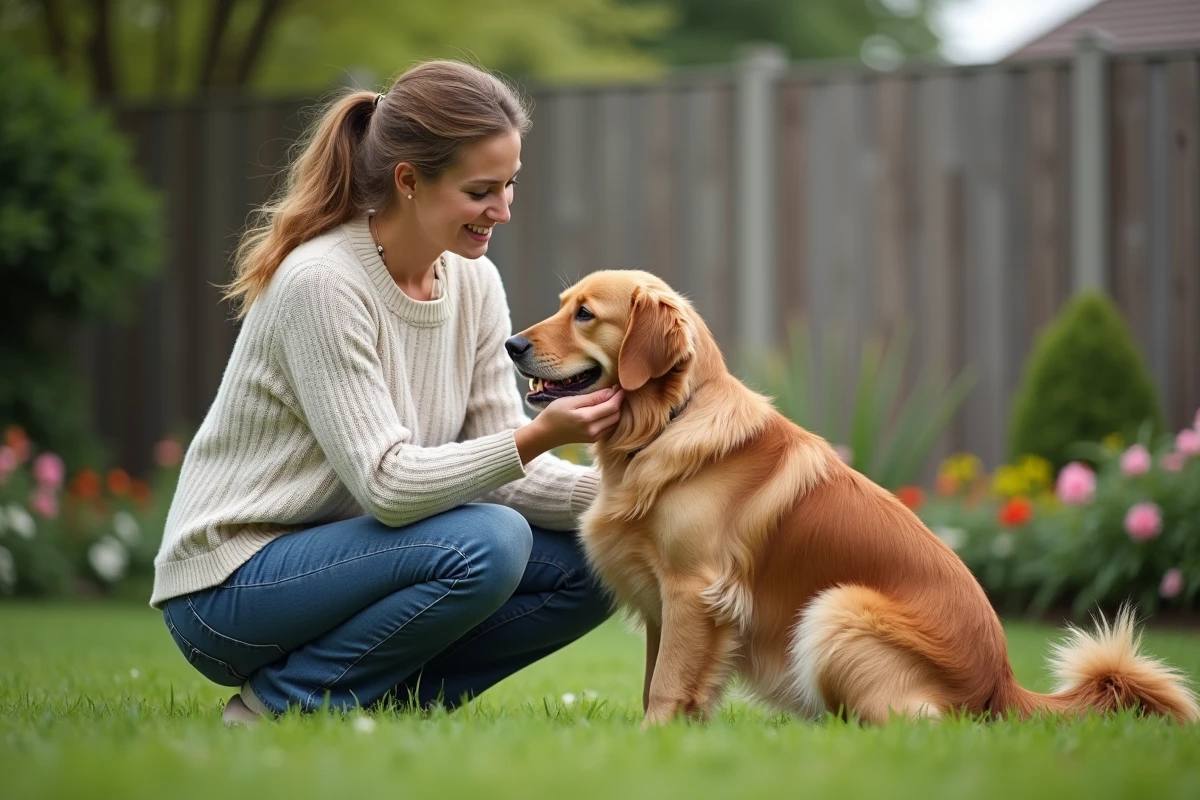
A dog can recognize more than 160 distinct words and gestures, but most owners only use about thirty commands on a daily basis. Some breeds, known as hypoallergenic, still trigger reactions in sensitive individuals. A puppy’s diet differs radically from that of an adult, and this transition is not always respected. The gaps between actual needs and common habits often expose the animal to avoidable disorders. Practical advice and appropriate knowledge allow for concrete actions to preserve the health and well-being of each companion.
Understanding the fundamental needs of dogs to ensure their well-being
Reducing a dog to a simple docile companion would be a mistake. Behind every snout, there is a story shaped by learning, heredity, and living conditions. Food, education, outings, environment, veterinary visits, grooming: nothing is secondary in the animal’s balance. From its first months, a puppy absorbs the rules, learns to live with humans, and builds its confidence. Conversely, a dog left to its own devices, without a framework, can quickly develop disruptive behaviors that may be difficult to correct later.
Ensuring a dog’s health means planning: vaccinations, deworming, dental checks, ear maintenance, nail trimming, and regular visits to the veterinarian. Some breeds carry hereditary weaknesses, such as hip dysplasia or respiratory issues. It is better to anticipate and adjust the dog’s environment to its needs at every age. Too much noise, too little space, a lack of play or mental exercise: all these factors expose the dog to boredom, anxiety, and sometimes deeper disorders.
Diet also deserves sharp attention. A playful puppy does not have the same needs as an older companion. The veterinarian’s advice guides choices, as do the feedback from other owners shared on dogs on mon-animal-de-compagnie.net. Ultimately, the human-dog relationship is rooted in this vigilance, this respect for the animal as it is, far from naive human projections.
How to choose the breed that truly suits you?
Given the diversity of dog breeds, it is better to proceed methodically. The catalogs of the Fédération cynologique internationale (FCI) detail the specificities and predispositions of each breed. The future owner’s lifestyle guides the choice: here are some concrete examples to measure the gap between breeds:
- The border collie, robust and tireless, requires hours of activity and thought every day.
- The Australian shepherd, always on the move, needs challenges and play to avoid boredom.
- The golden retriever, gentle and sociable, easily integrates into families but does not like solitude.
- The bichon frisé, small and adaptable, adjusts well to apartments or an urban pace.
Getting a border collie without having the time or space to occupy it is like running into difficulties. Conversely, a poodle or a Cavalier King Charles adapts better to city life, provided they receive attention and a few outings each day.
The size of the dog influences much more than just the space in the living room: budget, exercise needs, daily logistics. To better visualize:
- A Great Dane or a Rottweiler involves a significant budget, demanding training, and suitable space, not to mention sometimes costly veterinary care.
- Chihuahuas or pugs charm with their small size, perfect for traveling or integrating into urban life, but these breeds sometimes face specific health issues.
Before making any decision, it is useful to consult descriptive sheets to learn about temperament, activity needs, and hereditary weaknesses. Adopting from a shelter, buying from a breeder, or welcoming a mixed-breed dog opens up other perspectives, to be adjusted according to one’s experience and expectations. The popularity of a breed does not guarantee true compatibility. Choosing a dog means sorting through fantasies and reality and honestly questioning one’s lifestyle.

Concrete tips for taking care of your dog on a daily basis
Regularity makes the difference. A dog finds its balance in a stable routine, familiar rituals. Its diet must match its age, size, and activity level. Prefer a dog-formulated diet rich in high-quality animal proteins, suited to its morphology. Some foods should be banned as they are toxic to dogs: chocolate, grapes, onions, avocados. Clean, fresh water should always be available.
Grooming is not just about appearance. Brushing the coat several times a week depending on the breed prevents tangles and reduces shedding. Dental hygiene is essential: regular brushing, appropriate chew toys, veterinary check-ups. Eye and ear care is valuable, especially for dogs with droopy ears or prominent folds: they limit the risk of infections. Monitor nail length: if too long, they hinder walking and activity.
Physical activity structures the days: outings, games, varied exercises, mental stimulation. Suitable, sturdy toys that match the animal’s size encourage activity and learning. Education relies on consistency, patience, and reward, never on coercion. At every stage—diet, care, activity, education—the veterinarian’s advice and careful observation of the dog allow for adjustments in practices. Listening to the signals of your animal, respecting its pace, is to build a solid, enriching, and lasting relationship. Daily life with a dog is not a series of constraints: it is an adventure built day by day on trust and mutual respect.