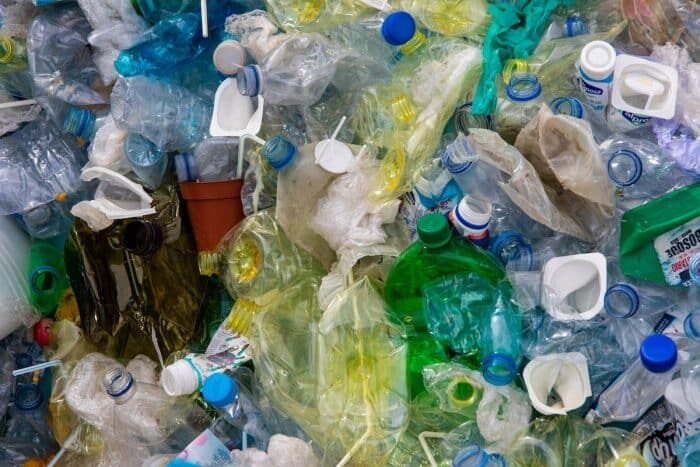
Black plastic, once considered a non-recyclable material, is now at the heart of research aimed at giving it new life. These studies have been prompted by the enormous amount of black plastic used in food packaging and electronic products. It is estimated that millions of tons of this material are produced each year and end up in landfills, where they remain for centuries without degrading. Reviving black plastic is not only an ecological issue but also an economic necessity. Innovative solutions are therefore being explored to make this material recyclable.
Black Plastic: An Analyzed Problem
The environmental consequences of black plastic are increasingly concerning. Due to its non-recyclable nature, it greatly contributes to pollution on land and in oceans, having a devastating impact on ecosystems. Many marine animals ingest these black fragments believing they are their usual food, which can lead to fatal digestive complications.
The incineration process of black plastic is also harmful to the environment, producing toxic compounds in the air we breathe daily. However, in the face of these serious threats to the environment, a solution is emerging: renovating black plastic.
Renovating plastic could be the key to solving this environmental crisis. The main obstacle to recycling black plastic lies in the fact that current technologies cannot detect this type of material during waste sorting operations.
This is where the innovative concept of ‘renovating plastic’ comes into play. Several companies are already working on developing technology capable of identifying and thus renovating black plastic during regular recycling operations. For example, one approach involves using a special infrared dye instead of the carbon-laden black color commonly used so that it can be recognized by the automatic sorting machines.
Another possibility being considered is the chemical or even structural modification of the polypropylene present in the plastic to facilitate its identification during selective sorting.
While these promising initiatives show a possible future where we could effectively renovate black plastic thanks to advanced new technologies, they still face various technical challenges before being fully functional and widely adopted.
In the meantime, it remains essential to raise public awareness of the harmful effects associated with this uncontrolled use while strongly encouraging the drastic reduction of our global consumption of products containing this specific polymer.
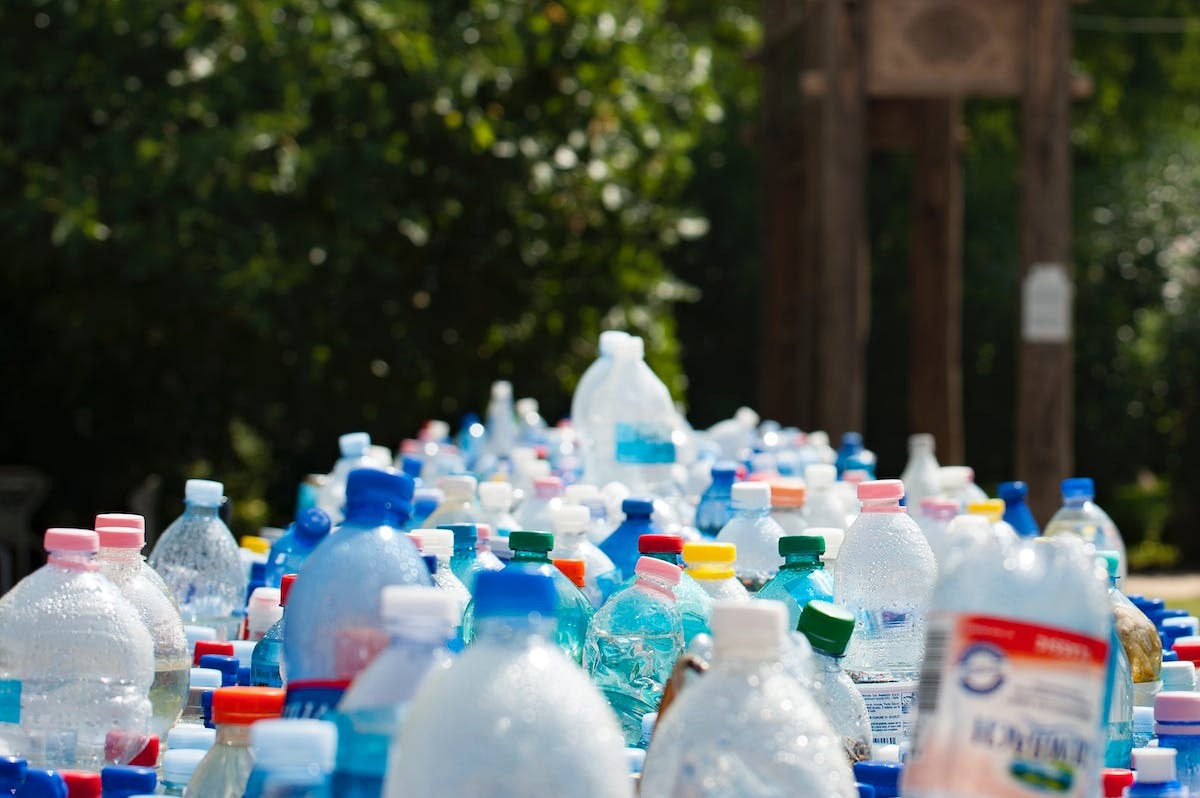
Ecological Consequences of Black Plastic
In the face of the challenge of recycling black plastic, several solutions have been developed to give new life to this material. Among these solutions, the pyrolysis process stands out.
Pyrolysis is a technique that involves heating black plastic to very high temperatures in an oxygen-free environment. This intense heat breaks the molecular bonds of the polymer and transforms it into a form of energy called ‘syngas’. This syngas can then be used as fuel or as a raw material to produce other chemicals.
Another innovative process is chemical conversion. This is an advanced technology that uses specific catalysts to transform the components of black plastic into simpler, more valuable molecules. These molecules can be used in the manufacture of new materials or even reintroduced into the plastic production cycle.
Some companies have looked into using microorganisms and yeasts to biologically decompose standard black plastic. This approach uses various enzymatic enzymes to break down the polymer into smaller fragments that can be easily processed and recycled.
All these solutions present a promising potential to solve the growing problem posed by non-recyclable black plastic. There is still much work to be done before these technologies become widely available and economically viable.
In addition to research and development efforts, it is necessary to have modernized and efficient recycling infrastructures to ensure that recyclable materials, including black plastic, are properly sorted and processed.
Although the problem of non-recyclable black plastic is complex, various stakeholders are actively working to find innovative solutions. Thanks to technological advancements and a growing awareness in society, there is real hope of giving new life to black plastic while preserving our precious environment.
Current Solutions to Rehabilitate Black Plastic
Despite the promising advancements, the current solutions to give new life to black plastic also present limitations that need to be considered.
The pyrolysis process requires specific and costly infrastructure to reach the high temperatures needed. Although the production of syngas can be used as an alternative energy source, its use still presents technical and environmental challenges to be resolved.
Chemical conversion may also encounter some obstacles. The catalysts used can be expensive and require careful handling. A balance must be found between the efficiency of the conversion process and the final quality of the products obtained.
Regarding the use of microorganisms and yeasts to biologically decompose black plastic, there are still limitations related to enzymatic stability and the efficiency of the process. Further research is needed to improve these aspects before this technique can be fully exploited on a large scale.
It should be noted that not all these solutions work with all existing types of black plastics on the market. Some polymers may contain additives or colorants that are difficult to decompose or valorize effectively.
Limitations of Current Solutions
Despite these challenges, many recent technological advancements offer promising prospects for recycling black plastic. Researchers are looking into innovative solutions that could help overcome current limitations.
One of these advancements concerns the use of advanced sorting and optical identification techniques. Thanks to artificial intelligence and computer vision, it is now possible to more accurately identify the different types of black plastics present in waste. This paves the way for more efficient sorting and more precise separation of materials during the recycling process.
Another avenue being explored is the development of new, more efficient catalysts for the chemical conversion of black plastic into valuable products. Researchers are actively working on developing catalysts specifically suited to the particular characteristics of black plastic to improve the yield and quality of the products obtained.
At the same time, some companies have begun experimenting with the use of renewable energies in the recycling process itself. Solar or wind energy can thus be used to power the facilities necessary for the thermochemical or biological treatment of black plastic. This approach not only helps reduce the overall carbon footprint of the process but also makes recycling even more sustainable.
Some initiatives are turning to alternative methods such as the use of ultrasound or microwaving to break the molecular bonds of black plastic, allowing for faster and more efficient decomposition. Although these technologies are still in their infancy, they show strong potential and generate significant interest in the research field.
Despite all these promising advancements, it is important to emphasize that much work remains to be done to achieve viable and economically feasible solutions for recycling black plastic. Collaboration between researchers, industry players, and government institutions is crucial to support fundamental and applied research in this area.
Although recycling black plastic currently presents considerable challenges, new technological advancements offer encouraging prospects. Innovations in optical sorting, efficient catalysts, renewable energies, and alternative methods represent opportunities to give new life to black plastic while preserving our environment. There is no doubt that the future holds many surprises in the field of recycling black plastic materials.
New Technological Advancements for Recycling Black Plastic
In the face of the challenges posed by black plastic management, the future looks somewhat optimistic. Technological advancements and initiatives are emerging to find sustainable solutions to this major environmental problem.
A promising perspective lies in the development of new alternative materials to black plastic. Researchers are exploring various options to create more eco-friendly substitutes that could effectively replace traditional plastic. These innovative materials are designed to be biodegradable or recyclable, thus limiting their environmental impact.
At the same time, increased public awareness is essential to promote better management of black plastic. Collective awareness of the harmful consequences of its excessive production and accumulation in oceans has led to a growing demand for sustainable and environmentally friendly alternatives.
Governments also have a crucial role to play in this quest for better management of black plastic. By adopting strict and incentive regulatory policies, they can encourage companies to invest more in the research and development of innovative technologies that enable more effective recycling.
In terms of circular economy, it becomes crucial to establish strong partnerships between the various stakeholders involved in the black plastic recycling chain, from collectors to processors and manufacturers using these revalorized raw materials to produce their final products.