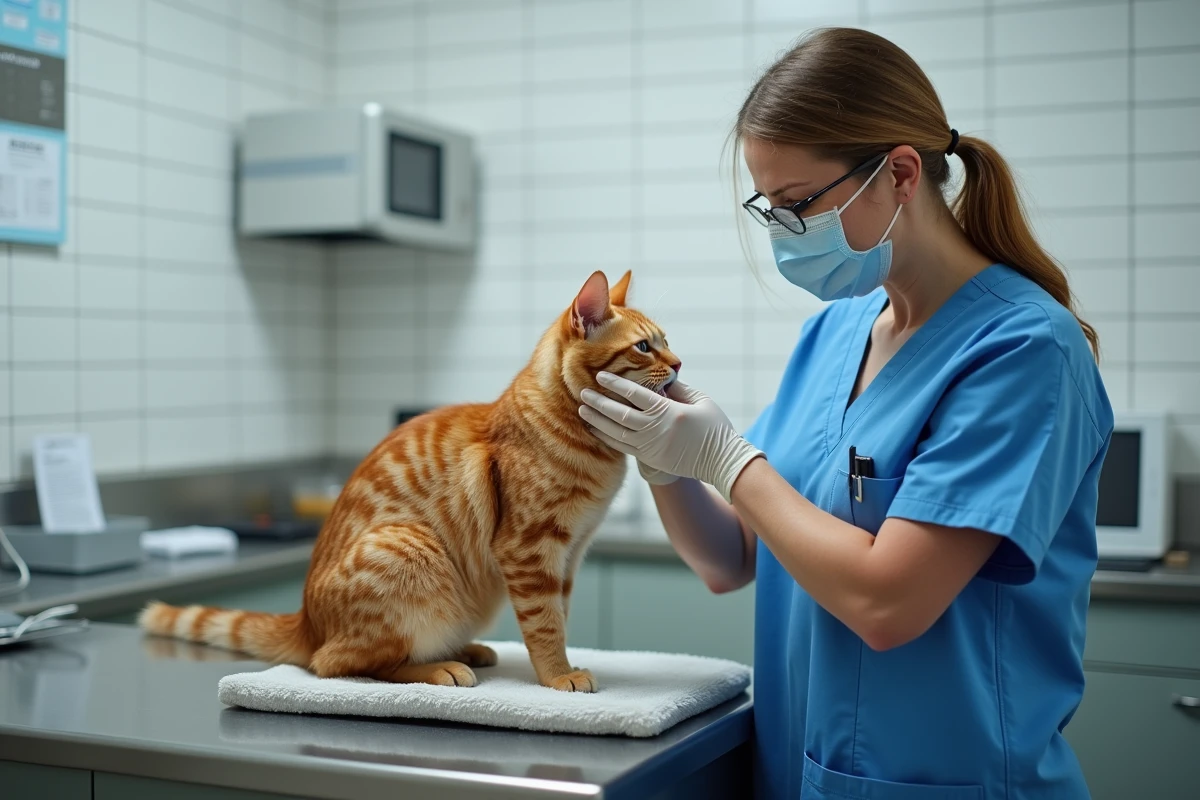
Three numbers, one addition, and everything changes: the cost of a dental extraction for a cat holds more than one surprise, far from a simple routine procedure. From one veterinary establishment to another, the bill can vary from simple to triple. Some clinics bundle anesthesia, examinations, and post-operative care into an all-inclusive package; others prefer to detail each step, multiplying the lines on the estimate. This pricing mosaic is largely explained by the heterogeneity of the technical platform and the specialization of the veterinarian. But that’s not all: any unforeseen event, infection, complication under anesthesia, or need for additional care can drive up the bill. And what about the clarity of the estimates? It remains inconsistent, making comparison complex for owners eager to anticipate.
Dental extraction in cats: in what cases and why is this intervention necessary?
The mouth of an adult cat has thirty teeth to monitor closely. From a young age, felines are not immune to problems: gingivitis, a direct consequence of plaque and tartar buildup, can set in quickly. Over time, these mineral deposits open the door to periodontal disease. Soft food, a genetic predisposition, or simply age increase the risk: the tissues that hold the tooth eventually give way, making extraction inevitable in some cases.
Here are the main situations where extraction becomes the only option:
- Severe periodontal disease: when the tooth is loose, the infection attacks the bone, or the pain prevents the cat from eating.
- Broken teeth: resulting from a shock or overly vigorous play, they expose the dental pulp to bacteria.
- Chronic stomatitis: intense inflammation, often due to an immune reaction or infection, making each bite unbearable.
- Oral tumors and retained baby teeth: rarer, but sometimes extraction prevents much more serious consequences.
Warning signs vary: foul breath, red gums, excessive salivation, loss of appetite, weight loss, or changes in behavior. When these symptoms appear, it is essential to consult without delay. The veterinarian then makes a diagnosis after a thorough examination, often supplemented by X-rays to accurately assess the extent of the lesions.
And what about the price? It arises very quickly. The cost of cat dental extraction will depend on the number of teeth to be removed, the difficulty of the procedure, and the additional care required. The article “Price of cat surgery: how much does a veterinary intervention cost? – Amis des bêtes” also provides a useful overview for those who want to best anticipate their pet’s oral care.
What is the price of a dental extraction at the veterinarian and what does it really depend on?
The cost of a dental extraction for a cat is never a simple fixed amount. It starts with the veterinary consultation, ranging from 30 to 60 euros. Then, the procedure under general anesthesia: here, the cost varies according to the number of teeth to be extracted, the complexity of access, and the possible presence of infections. The extraction of a single tooth ranges from 40 to 80 euros; when it involves removing multiple teeth, the bill can exceed 400 euros. For a complete extraction, some clinics charge up to 580 euros.
It’s difficult to display a single price: each clinical case influences the final bill. For example, advanced periodontal disease requiring multiple extractions and associated care (scaling, antibiotic treatment, anti-inflammatory) can result in costs ranging from 240 to 650 euros. One must also account for anesthesia, often billed between 50 and 100 euros, and post-operative care, which generally varies between 20 and 60 euros.
The region, the clinic’s pricing policy, and the prescription of additional care all play a role in the final amount. Some pet health insurance plans reimburse part of these costs, limiting the financial impact for owners. In practice, considering the cost of cat dental extraction as an investment in the animal’s well-being often helps avoid more serious and costly consequences in the long run.

Post-extraction care: practical tips to support your cat’s recovery
Once the extraction is done, vigilance remains essential. The cat’s recovery largely depends on the attention given to post-operative care. Monitoring the animal’s behavior, ensuring it regains its appetite, watching for the disappearance of pain signs, or spotting any swelling allows for quick reactions to any issues.
The veterinarian prescribes appropriate treatments: antibiotics, anti-inflammatories… They must be administered scrupulously according to the instructions. Self-medication, even with good intentions, can lead to complications.
Regarding diet, it is advisable to prioritize options that are easiest to tolerate for a cat in recovery. Wet food, easy to swallow, or kibble softened in a bit of warm water, are ideal for minimizing pain. Special cat purees are also a popular alternative that respects the sensitivity of the mouth after the procedure.
As soon as healing is effective, it will be possible to reintroduce dental brushing if this habit was already established. In the meantime, dental treats or suitable toys can gently stimulate the gums without risking irritation of the wound. A veterinary check-up, scheduled about ten days after the operation, ensures that healing is progressing normally.
In the long term, everything relies on prevention: quality nutrition, regular plaque control, and ongoing care. Preventing recurrences means providing your cat with a healthy mouth for a long time and avoiding many silent ailments.
Nothing is more telling than the relief of a cat that regains the desire to eat and play, freed from oral pain. Anticipate, understand, act: this is where the future of its dental health lies.