Life expectancy in France now exceeds 82 years, but staying healthy after 60 is neither a matter of luck nor automatic. Despite the increasing availability of leisure activities and support systems, active participation of seniors in physical, social, and cultural activities remains uneven.
Between official recommendations and everyday realities, the gap persists. Adapting habits, reassessing priorities, and relying on proven solutions can help maintain autonomy and vitality in the long term. Effective strategies exist, provided one knows and applies them well.
Aging well after 60: understanding the challenges and essential needs
Retirement does not put the world on pause. This change disrupts familiar markers: it becomes essential to structure one’s days and create new frameworks. Preserving physical and mental health is a balance to be built, often to be reinvented. It starts with solid personal organization, attention to one’s environment, and a vigilant eye on new vulnerabilities.
Eating healthily is fundamental. At this age, every meal counts to maintain strength and autonomy. Prioritizing proteins, fibers, and vitamins is arming oneself against muscle loss and deficiencies that quietly set in. But it’s not just about the plate. The living environment is equally important: adapting one’s home, preventing falls, securing the space—these are what ensure one can maintain habits at home. Aids like Apl or the services of France Services facilitate these steps, especially for adapting a suitable living space.
Daily life also impacts finances and health. Between managing the budget, finding a health insurance plan designed for seniors, and being vigilant about rights, it’s best to seek information from reliable resources like https://www.la-revue-des-seniors.com/. Planning and anticipating: stable routines, restorative sleep, stress management, gratitude, and optimism enhance lasting well-being.
Here are some concrete levers to stay in control of your daily life:
- Encourage adapted physical activity to maintain your abilities
- Adapt your home to prevent domestic accidents
- Learn about existing financial aids
- Maintain daily routines to structure your days
How to stay active and preserve physical and mental health in daily life?
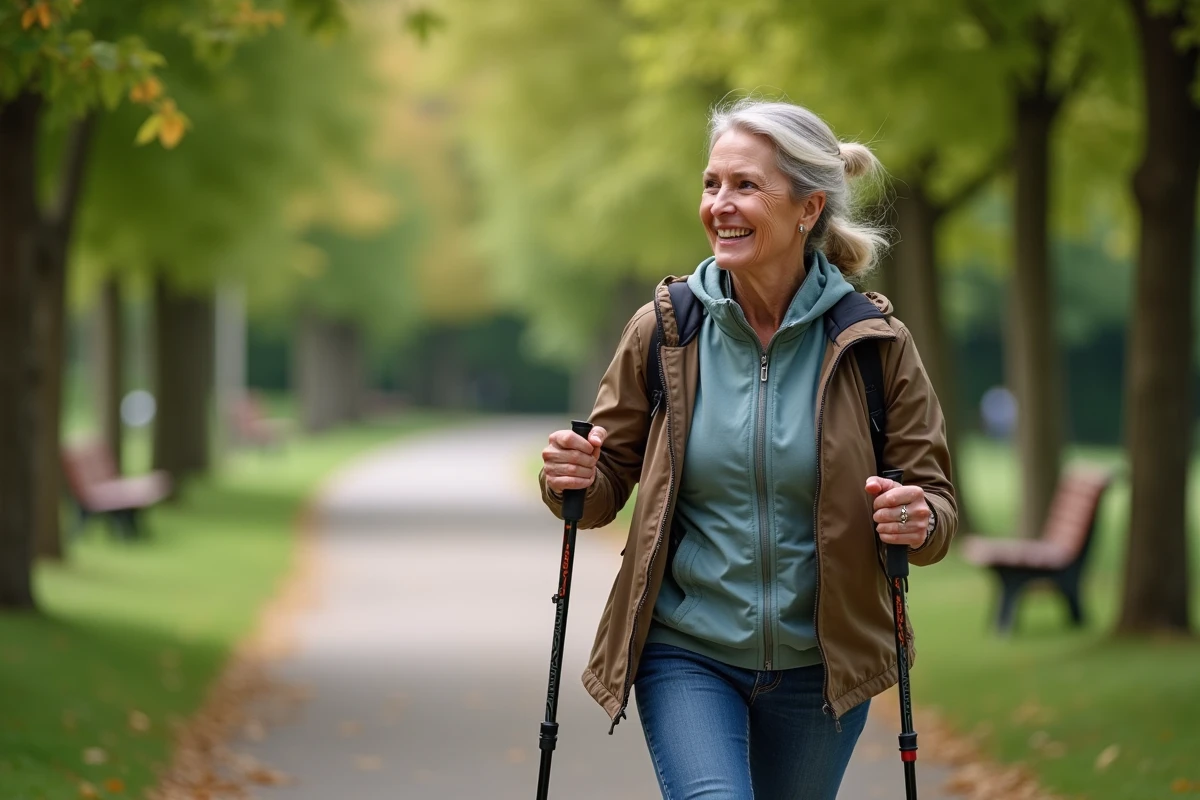
Regular movement is key. There’s no need to aim for performance: thirty minutes of walking, swimming, cycling, or yoga each day is enough to maintain momentum and slow the loss of autonomy. Gardening, taking the stairs, shopping on foot: simple actions maintain vitality and reinforce confidence in one’s capabilities.
On the nutrition side, the direction is clear: fruits, vegetables, whole grains, fatty fish, a drizzle of olive oil, a few nuts. Reducing processed foods, sugar, and salt protects the heart and limits the risk of diabetes. Staying attentive to hydration, often relegated to the background, also makes a significant difference.
For health, prevention is non-negotiable: consult your doctor, schedule an annual check-up, monitor your vision, hearing, teeth, and do not neglect vaccinations. These appointments, far from being optional, protect autonomy over time.
Sleep, too, cannot be improvised. A peaceful environment, calming routines, regular physical activity: all of this promotes a more serene falling asleep. Stress management, through meditation or relaxation, supports mental health. And for the mind: reading, games, learning—any curiosity nourishes memory and keeps the mind sharp.
In daily life, staying on track involves these habits:
- Incorporate adapted physical activity every day
- Maintain a varied diet rich in nutrients
- Plan your preventive medical appointments
- Take care of your sleep and relaxation routines
Concrete ideas to enrich social life and cultivate the joy of learning
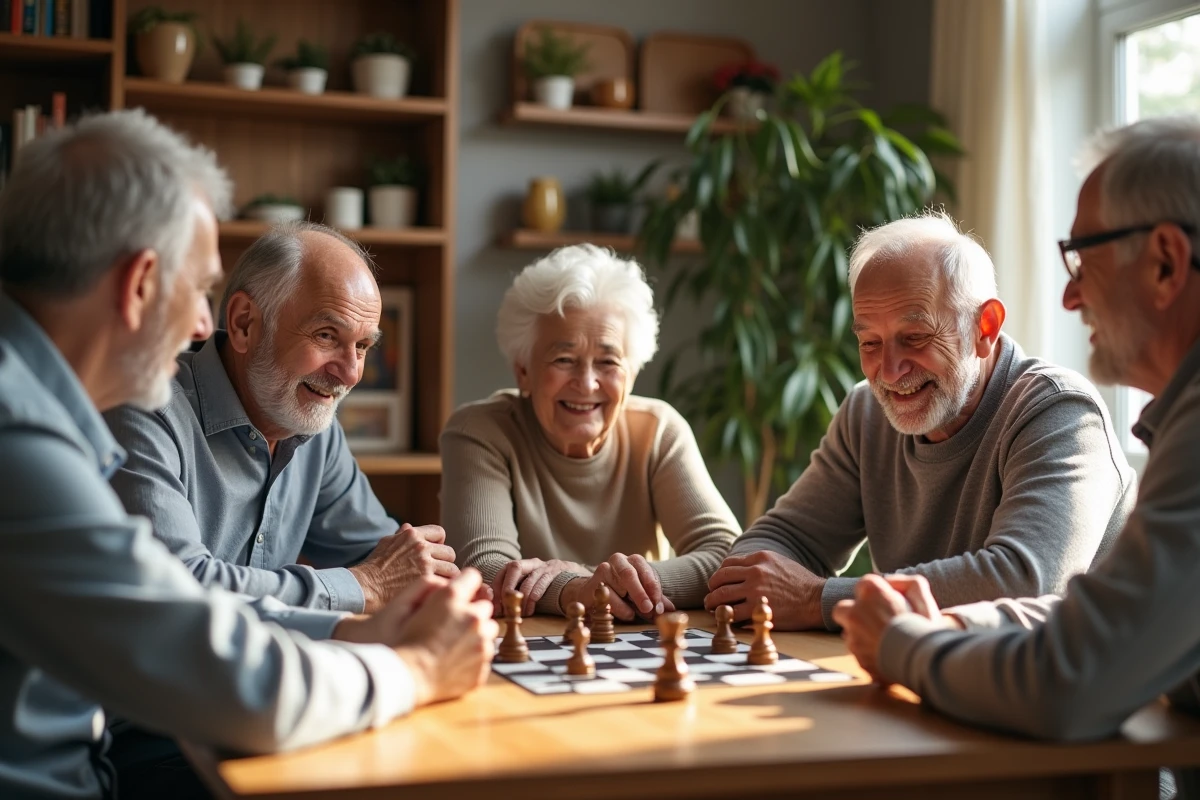
Retirement does not necessitate withdrawal. An empty schedule can quickly lead to isolation, but there are countless ways to maintain connections. Sharing moments with loved ones, reconnecting with friends, joining a club or association: these gatherings create conviviality, foster listening, and weave valuable relationships.
Getting involved in an association gives meaning to one’s days. Volunteering offers a field of action: tutoring, food aid, home visits. With each mission, the feeling of being useful emerges, far from age-related clichés. Everyone brings their energy, their experience, and the collective benefits from these exchanges.
Continuing to learn means staying alive. Workshops, conferences, reading groups, artistic activities: the range is wide. Painting, music, writing, crafts: these practices awaken motivation, maintain memory, and enhance self-esteem.
Digital tools open other doors. Keeping in touch with family, exchanging with friends, discovering new horizons—all of this relies on mastering new technologies. Learning, even late in life, allows one to stay connected and open up to other possibilities. And then there are all the personal projects: travel, gardening, creative work, sharing knowledge. So many opportunities to thrive and assert one’s freedom.
To stimulate social life and nourish curiosity, here are some suggestions:
- Create moments of sharing, with family or friends
- Participate in a workshop or club near you
- Try a new creative activity
- Use digital tools to maintain social connections
Retirement, far from closing the chapter, invites one to shape a new life, freer and fuller. Each person must carve their path, cultivate momentum and curiosity, so that each day counts and tastes of promise.