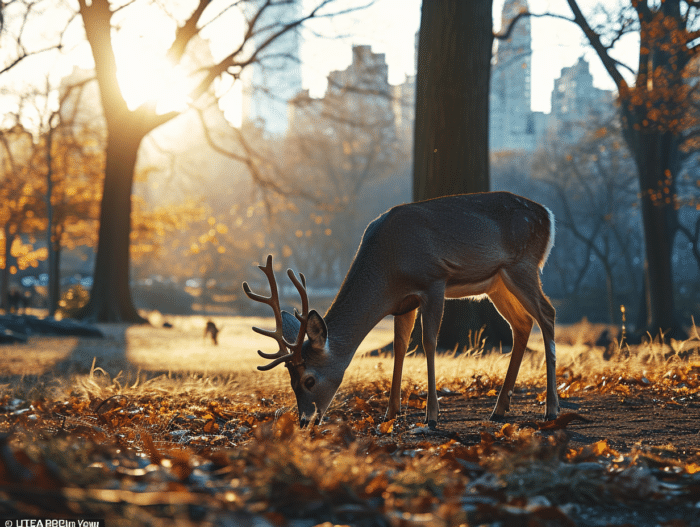
The presence of wild animals in urban environments has increased in recent years, a phenomenon that raises both fascination and concern. The coexistence between humans and wild species in the heart of cities presents a dual challenge: to ensure the safety of city dwellers while also ensuring the well-being and survival of the animals. Species such as foxes, wild boars, and even coyotes are increasingly spotted in urban parks and alleyways. This development underscores the need to adapt wildlife management policies and educate the public on behaviors to adopt for harmonious coexistence.
The challenges of coexistence between humans and wild animals in urban environments
Urban wildlife raises several crucial questions, particularly around human-animal conflicts. These tensions are often the result of a misunderstanding of the rhythms and habits of wild species. La Maison des Animaux, a citizen initiative, works to raise awareness among residents on this issue. In cities, natural spaces are dwindling under the pressure of urbanization, leading to a reduction in habitats and greater proximity between humans and nature.
Wild animals, attracted by the food resources and shelters that cities can offer, are venturing into urban areas more frequently. This incursion is not without risk, as it can lead to nuisances and dangerous situations for both animals and humans. Collisions with vehicles, accidental poisonings, or disease transfers are all risks associated with the presence of animals in the city.
In light of these challenges, urban wildlife management becomes a central concern for local communities. It involves finding balances that allow for the preservation of urban biodiversity while limiting conflicting interactions. Monitoring systems, such as participatory science programs, are being implemented, involving researchers and citizens in a joint effort to better understand and manage urban animal populations.
Coexistence between humans and wild animals in the city also relies on the creation of green spaces designed to promote biodiversity and the establishment of barriers to limit unwanted incursions. Butterfly and bird gardens, for example, provide havens for wildlife while beautifying the urban landscape. The protection of urban biodiversity involves implementing such initiatives, which require active involvement from citizens and protection associations.
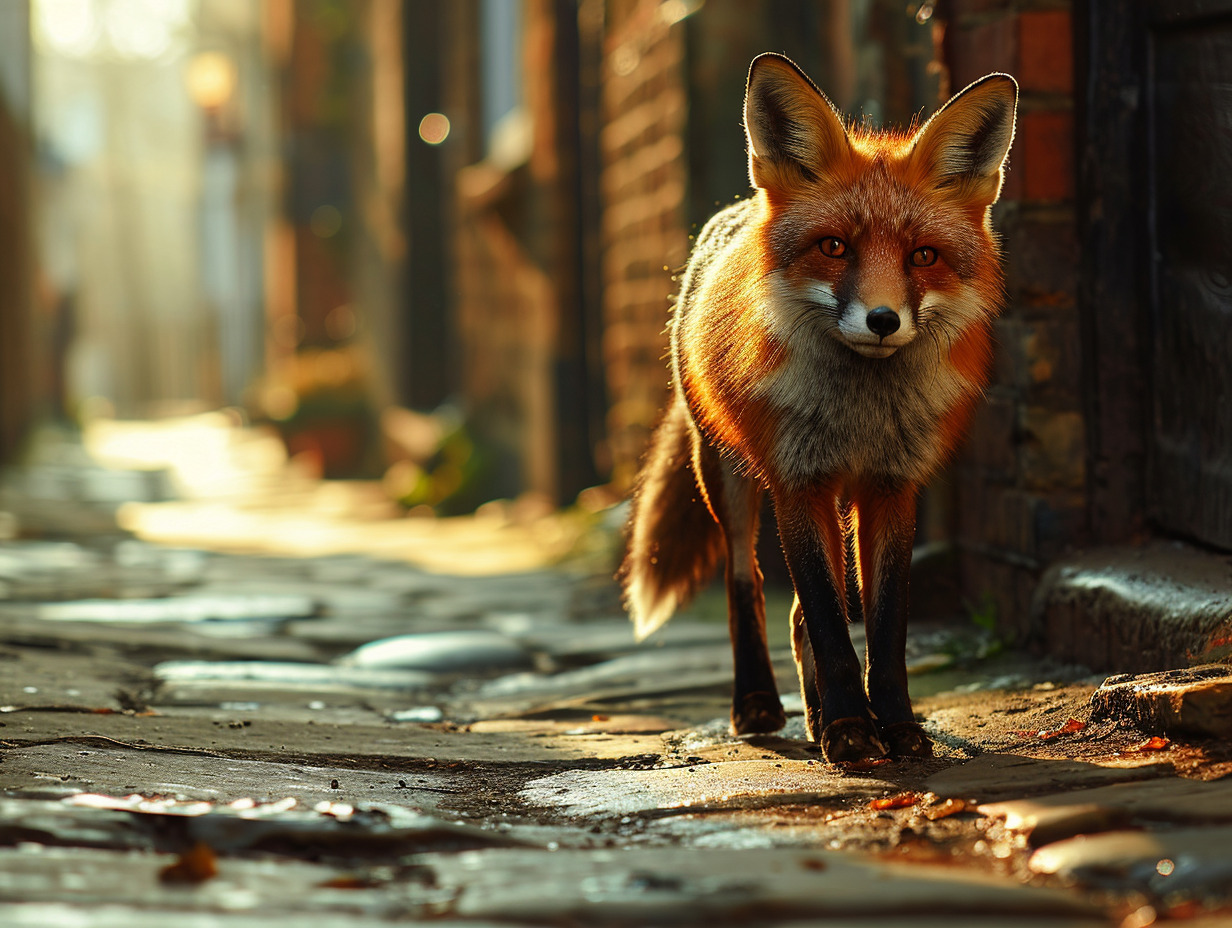
Strategies and initiatives for harmonious coexistence in the city
The integration of biodiversity in urban planning is a strategic focus for municipalities. Acknowledging the fragmentation of natural habitats, local communities are working to create urban green spaces conducive to wildlife. Projects such as butterfly and bird gardens, urban beehives, or urban shepherd initiatives are not mere ornaments but real islands of ecological regeneration. These developments, in addition to reducing pollution, provide green corridors that facilitate species movement and thus limit the loss of natural habitats.
Urban wildlife management does not stop there. It involves close collaboration between citizens, protection associations, and scientific researchers. Participatory science programs perfectly illustrate this dynamic, involving residents in monitoring and counting animal populations. These joint actions are supported by predictive models and monitoring systems, allowing for the anticipation of interactions and promoting responsible behaviors in terms of human-animal coexistence.
Original initiatives, such as the establishment of shared bike paths with ducks, demonstrate a desire to innovate in the modalities of human-animal coexistence. These projects, often welcomed with enthusiasm by the public, reaffirm the commitment of cities to a respectful and balanced coexistence. The protection of urban biodiversity, by combating invasive species and promoting shared territories, is thus part of a comprehensive and integrated vision necessary for the sustainability of our urban environments.